Get Free Tree Service Estimates Today
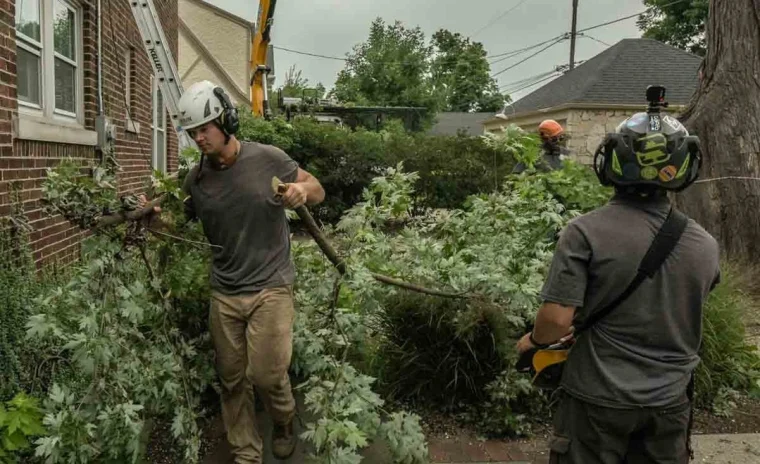
Hurricane season brings powerful winds, heavy rainfall, and unpredictable weather that can put even healthy trees under tremendous stress. While trees add beauty, shade, and value to your property, they can quickly become dangerous when storms expose hidden weaknesses. Broken limbs, uprooted trunks, and fallen trees often lead to damaged homes, blocked driveways, and hazardous conditions that require immediate attention.
Investing in hurricane tree service before severe weather arrives is one of the most effective ways to reduce these risks. Professional arborists identify structural concerns that may not be visible to homeowners and recommend proactive solutions that improve a tree’s ability to withstand high winds. Rather than waiting until a storm has already caused damage, preparing your landscape early helps protect both your family and your property.
This guide explains what professional hurricane tree care involves before, during, and after hurricane season, along with the importance of working with experienced tree specialists throughout the entire process.
Why Hurricane Tree Service Matters
Many trees appear healthy on the outside while hiding serious structural problems within. Internal decay, cracked branch unions, weakened trunks, and unstable root systems often remain unnoticed until hurricane-force winds expose them.
Strong storms create tremendous pressure on tree canopies. Large limbs act like sails that catch the wind, increasing stress on branches and roots. Saturated soil from heavy rain can further weaken a tree’s ability to remain upright, especially if roots have already been compromised by disease, construction damage, or poor soil conditions.
Professional hurricane tree service focuses on reducing these vulnerabilities before severe weather arrives. Proper inspections and preventive maintenance significantly decrease the likelihood of dangerous failures.
Preparing Trees Before Hurricane Season
The weeks before hurricane season provide the best opportunity to strengthen your landscape. Scheduling professional service early also helps homeowners avoid long wait times once storms begin affecting the area.
1. Complete Tree Inspection
Every preparation plan starts with a thorough inspection. Certified professionals evaluate each tree for signs of weakness, including:
- Dead or dying branches
- Internal decay
- Hollow trunks
- Weak branch attachments
- Cracks in major limbs
- Leaning trunks
- Root instability
- Disease or insect damage
Identifying these issues early allows property owners to make informed decisions before hazardous weather develops.
2. Canopy Thinning
A dense canopy catches significantly more wind than a properly maintained one. Strategic pruning removes select branches while preserving the tree’s natural structure.
Canopy thinning allows wind to pass through more easily, reducing the pressure placed on large limbs and minimizing the chance of major breakage during storms.
Unlike aggressive topping, professional pruning maintains tree health while improving storm resistance.
3. Remove Deadwood
Dead branches become dangerous projectiles during hurricanes. Even relatively small limbs can damage vehicles, roofs, fences, windows, or utility lines.
Removing deadwood before hurricane season improves safety while encouraging healthier tree growth.
4. Evaluate Root Stability
A healthy root system provides the foundation needed for storm survival.
Tree professionals inspect for:
- Soil erosion
- Root rot
- Exposed roots
- Compacted soil
- Construction damage
- Poor drainage
Addressing these issues early can improve stability before hurricane conditions develop.
Storm Prep and Support Systems for Trees
Some mature or valuable trees benefit from additional structural reinforcement.
Professional storm prep and support systems for trees may include specialized cabling or bracing systems designed to support weak branch unions without harming the tree. These systems help distribute weight more evenly and reduce stress on vulnerable limbs during high winds.
Support systems are not appropriate for every tree. An experienced arborist determines whether reinforcement or removal provides the safest solution.
What To Do During Hurricane Conditions
Once severe weather approaches, safety becomes the highest priority.
Homeowners should never attempt to prune trees or remove limbs while strong winds or heavy rain are present.
Avoid parking vehicles beneath large trees and stay away from damaged limbs that remain hanging overhead after the storm begins. These unstable branches may fall without warning.
If a tree contacts power lines, immediately contact your utility company. Never approach energized trees or attempt removal yourself.
Professional crews often prepare equipment and emergency response plans before storms make landfall so they can begin assisting customers as conditions safely improve.
Assessing Trees After the Storm
After the hurricane passes, not every damaged tree requires removal. However, hidden structural damage can make seemingly stable trees dangerous.
Professional inspections determine whether trees can safely recover or if removal is the best option.
Common post-storm problems include:
- Split trunks
- Hanging branches
- Broken leaders
- Cracked branch unions
- Root plate movement
- Uprooted trees
- Internal fractures
A trained assessment prevents homeowners from making costly or unsafe decisions based solely on appearance.
Tree Damage Cleanup After Hurricanes
Storm debris often creates overwhelming cleanup projects.
Professional tree damage cleanup includes removing fallen branches, clearing blocked driveways, eliminating hazardous debris, and safely processing damaged wood for disposal or recycling.
Cleanup crews use specialized equipment that allows them to work efficiently while minimizing additional damage to lawns, landscaping, and nearby structures.
Prompt cleanup also reduces potential pest infestations and allows insurance documentation to begin sooner.
When Emergency Tree Felling Becomes Necessary
Some trees become too unstable to save after severe weather.
Professional emergency tree felling may be required when a tree:
- Leans toward a structure
- Has extensive trunk failure
- Has exposed or lifted roots
- Is partially uprooted
- Has severe structural cracking
- Threatens utility lines
- Presents an immediate public safety hazard
Emergency removals often involve cranes, rigging systems, aerial lifts, and carefully controlled cutting techniques that protect surrounding property.
Attempting emergency removals without proper equipment creates significant risks for homeowners and bystanders.
Tree Storm Cleanup Helps Restore Your Property
The recovery process extends beyond removing fallen limbs.
Professional tree storm cleanup often includes stump removal recommendations, selective pruning of salvageable trees, debris hauling, and evaluations of nearby trees that may have sustained hidden damage.
Crews also identify opportunities to improve the long-term health of your landscape by recommending replacement species that perform better in hurricane-prone climates.
Proper recovery helps restore both the appearance and safety of your outdoor space.
Why Early Scheduling Makes a Difference
One of the biggest mistakes homeowners make is waiting until a hurricane warning has already been issued before contacting a tree service.
Once severe weather threatens an area, tree companies often experience extremely high call volumes. Emergency response naturally prioritizes dangerous situations, meaning preventive maintenance appointments become difficult to schedule.
Planning ahead allows professionals to thoroughly inspect your property, complete necessary pruning, install support systems when appropriate, and remove hazardous trees before demand spikes.
Early preparation also provides homeowners with greater confidence knowing their landscape has been professionally evaluated before hurricane season reaches its peak.
Protect Your Property with Professional Hurricane Tree Service
Hurricanes are unpredictable, but proper tree care can significantly reduce the damage they leave behind. From identifying weak branch unions and hidden decay to performing preventive pruning, installing structural support systems, and providing emergency response after storms, professional tree crews play an important role throughout the entire hurricane season.
Scheduling hurricane tree service well before severe weather arrives gives your trees the best opportunity to withstand strong winds while helping protect your home, family, and surrounding property. Instead of waiting until damaged trees create dangerous situations, take proactive steps now so you’re prepared before the next storm approaches.