Get Free Tree Service Estimates Today
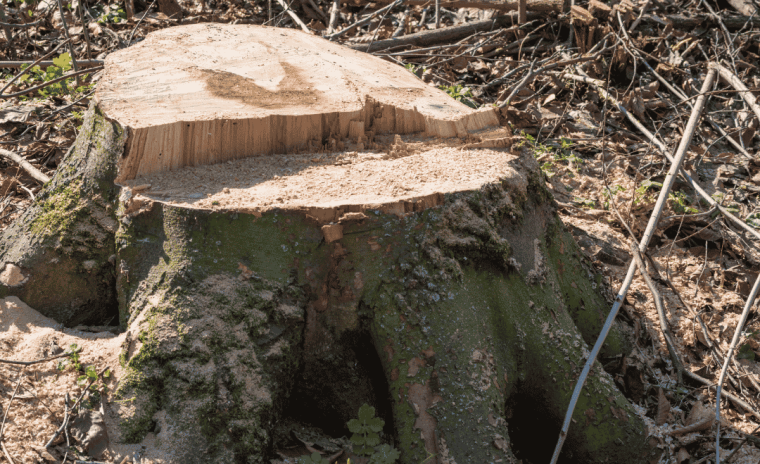
What Sets Stump Grinding Apart from Complete Removal
When a tree comes down, the stump presents two fundamentally different solutions. Stump grinding uses a rotating cutting disk mounted on a machine to mechanically shave the stump into small wood chips. The grinder reduces the visible stump to several inches below ground level, typically between six and twelve inches deep depending on your plans for the area. The root system remains underground, where it gradually decomposes over the following years. This process takes between thirty minutes and two hours for most residential stumps, depending on diameter and wood density.
Complete stump removal takes an entirely different approach. This method extracts the stump and its primary root ball from the soil using excavation equipment, hydraulic force, or a combination of manual digging and machinery. The result is a crater that extends outward from where the trunk stood, often stretching several feet in diameter for mature trees. The hole must be backfilled with soil and compacted before you can replant or restore the lawn surface. Root removal eliminates regrowth potential and clears the entire root mass, but the process disturbs significantly more soil, takes longer to complete, and creates immediate restoration work.
The choice between these methods determines your timeline, budget, and what you can do with the space afterward. Grinding leaves you with wood chips you can repurpose as mulch and a surface ready for sod or seed within days. Removal gives you a completely clear subsurface, necessary if you plan to install hardscape, build a structure, or plant another tree in the exact location. Each serves distinct goals, and selecting the wrong method creates unnecessary expense or limits your options down the road.
Breaking Down the Financial Investment for Each Method
Stump grinding typically costs substantially less than full removal. For most residential stumps in the Tool area, grinding runs between $100 and $400 per stump, calculated primarily by diameter. Operators charge approximately $3 to $5 per inch of stump diameter, so a twenty-inch oak stump costs around $60 to $100 for the grinding itself, with minimum service charges bringing the total higher. Accessibility plays a major role: stumps located in back yards with narrow gates or limited equipment access can add $50 to $150 to the base price due to the need for smaller, more maneuverable grinders that work slower.
Complete stump removal costs between two and three times more than grinding for equivalent stumps. Expect to pay $250 to $800 for full extraction of a medium-sized stump, with prices climbing for mature hardwoods or stumps with extensive root systems. The Kaufman County soil composition, which includes dense clay layers in many locations, increases labor time and equipment strain during extraction. Root balls from oak, pecan, and elm trees common in North Texas extend laterally and require significant excavation. These factors push removal costs higher compared to regions with sandy or loamy soils.
Additional cost variables affect both methods. Stump age matters: fresh stumps from recent tree removal service work grind more quickly than weathered stumps, which become harder and more fibrous over time. The number of stumps creates economies of scale; grinding five stumps on one property reduces per-unit cost compared to a single-stump service call. Disposal fees apply if you want the wood chips hauled away rather than left on site. Removal always includes backfill and grading in the price, but topsoil quality and compaction work can add another $50 to $200 depending on your restoration requirements and whether you need the area ready for immediate landscaping.
How Each Method Impacts Your Property Long-Term
Stump grinding delivers speed and minimal disruption. The process concludes in one visit, leaves a small affected area, and allows you to plant grass seed or lay sod over the wood chips within a few days. The chips themselves provide organic matter that enriches soil as they decompose, though settling occurs over the first year as the material breaks down. This settling creates a slight depression that requires periodic topdressing with soil to maintain a level surface. Grinding preserves surrounding landscape features, protects nearby irrigation lines, and avoids the heavy equipment tracks that excavation creates. For properties where you want to restore turf quickly or maintain existing landscape beds adjacent to the stump, grinding minimizes collateral impact.
The trade-off: roots remain underground. For most tree species, this poses no problem. The root system loses its nutrient source when the tree is felled and gradually decomposes without sending up new shoots. However, some species, including sweetgum, elm, and certain oak varieties, produce root suckers. These new shoots emerge from lateral roots in the months following stump grinding and require ongoing removal until the root system fully dies. This sucker growth is manageable but adds a maintenance task you should anticipate.
Complete removal eliminates the root mass entirely, preventing any possibility of regrowth and clearing the subsurface for whatever you plan next. If you intend to install a patio, pour a concrete pad, build a shed, or plant a replacement tree in the same spot, removal provides a clean foundation. The method suits commercial properties where underground utilities, drainage systems, or construction plans demand certainty that no roots will interfere. Removal also prevents future settling issues, since no organic material remains below grade to decompose and create voids. The cost is higher upfront, but the one-time expense resolves the stump permanently without follow-up concerns about subsidence or sucker growth.
Decision Framework Based on Your Property Goals
Select stump grinding when your primary goal is restoring lawn or landscape quickly and affordably. This method works well if you plan to re-sod, seed, or extend a mulch bed over the former stump location. Grinding suits situations where budget is a primary concern and no hardscape or construction will occupy the space. Residential properties with multiple stumps from storm damage or hazardous tree removal benefit from grinding’s lower per-unit cost and faster turnaround. In the Tool area, we see high demand for grinding in late spring and early fall when homeowners prepare lawns for seasonal growth cycles. The mild winters in Henderson and Kaufman counties mean turf establishment can occur almost year-round, making grinding a practical choice whenever the stump comes down.
Grinding also makes sense when access is limited. Narrow side yards, fenced back yards, and properties with mature landscaping that cannot be disturbed favor the smaller footprint of a grinding operation. The typical residential lot size in the region, often a half-acre or less, means equipment must maneuver around structures, pools, and established beds. Grinding machines fit through standard gates and avoid the need to remove fencing or landscape features.
Choose complete removal when the space will serve a new structural purpose. If you plan to pour a concrete slab, install an in-ground pool, construct a deck or outbuilding, or plant a new tree within five feet of the old stump location, removal ensures no root interference. Commercial property managers often prefer removal when preparing sites for parking lot expansions, utility installations, or right of way clearing projects where subsurface certainty is critical. Species that produce aggressive root suckers, such as Chinese elm or Ashe juniper, are better candidates for removal to avoid ongoing maintenance.
Budget and timeline also guide the decision. Removal takes longer, requires larger equipment, and costs more, but it delivers a permanent solution in one visit. If you can absorb the higher upfront expense and your project timeline allows for excavation and backfill, removal provides the cleanest outcome. Conversely, if cash flow is tight or you need the area usable within days, grinding offers immediate results at a lower price point. Local soil conditions in North Texas, particularly the clay-heavy substrates common in Kaufman County, mean removal projects encounter harder digging and longer work times compared to sandy regions, further widening the cost gap between the two methods.
How a Tree Service Assessment Helps You Decide
The factors outlined above interact in ways that are difficult to assess without seeing your specific property, stump condition, and future plans. A qualified tree service professional can evaluate stump size, species, root spread, and site access in person, then provide a detailed cost estimate for both methods. This on-site assessment identifies potential complications, such as nearby utility lines, irrigation systems, or underground obstacles that affect feasibility and pricing. Professionals also recognize species-specific behaviors, such as which trees are likely to produce suckers and which decompose cleanly, helping you weigh long-term maintenance against upfront cost.
An evaluation visit typically includes measurement of stump diameter and height, discussion of your timeline and intended use for the space, and explanation of the equipment and process for each method. Many tree service providers offer free estimates, allowing you to gather information without obligation. During this visit, ask about disposal options for wood chips, backfill soil quality if you choose removal, and whether the crew will grade and rake the area to a finish-ready state. Clarifying these details prevents surprises and ensures the final result meets your expectations.
For properties in the Tool area and surrounding communities, scheduling an assessment before making a decision saves time and money. Local professionals understand the soil conditions, common tree species, and seasonal factors that influence project success. Whether you manage a commercial site with multiple stumps from land clearing or a residential yard with a single stump from emergency tree service work, professional guidance aligns your choice with your property’s specific needs and your budget constraints. Contact a local tree service provider to schedule a free evaluation and receive a detailed quote tailored to your situation.